Thousands Evacuate as Typhoon Kajiki Strikes Central Vietnam with Heavy Rain and Power Outages
Typhoon Kajiki struck Vietnam's northern and central regions with devastating force on August 25, 2025, causing extensive damage, widespread flooding, and mass evacuations. The storm, among the most powerful Vietnam has faced in recent years, brought wind speeds up to 133 km/h (82 mph) when it made landfall near Nghe An and Ha Tinh provinces.
Impact and Evacuations

Damage and Casualties
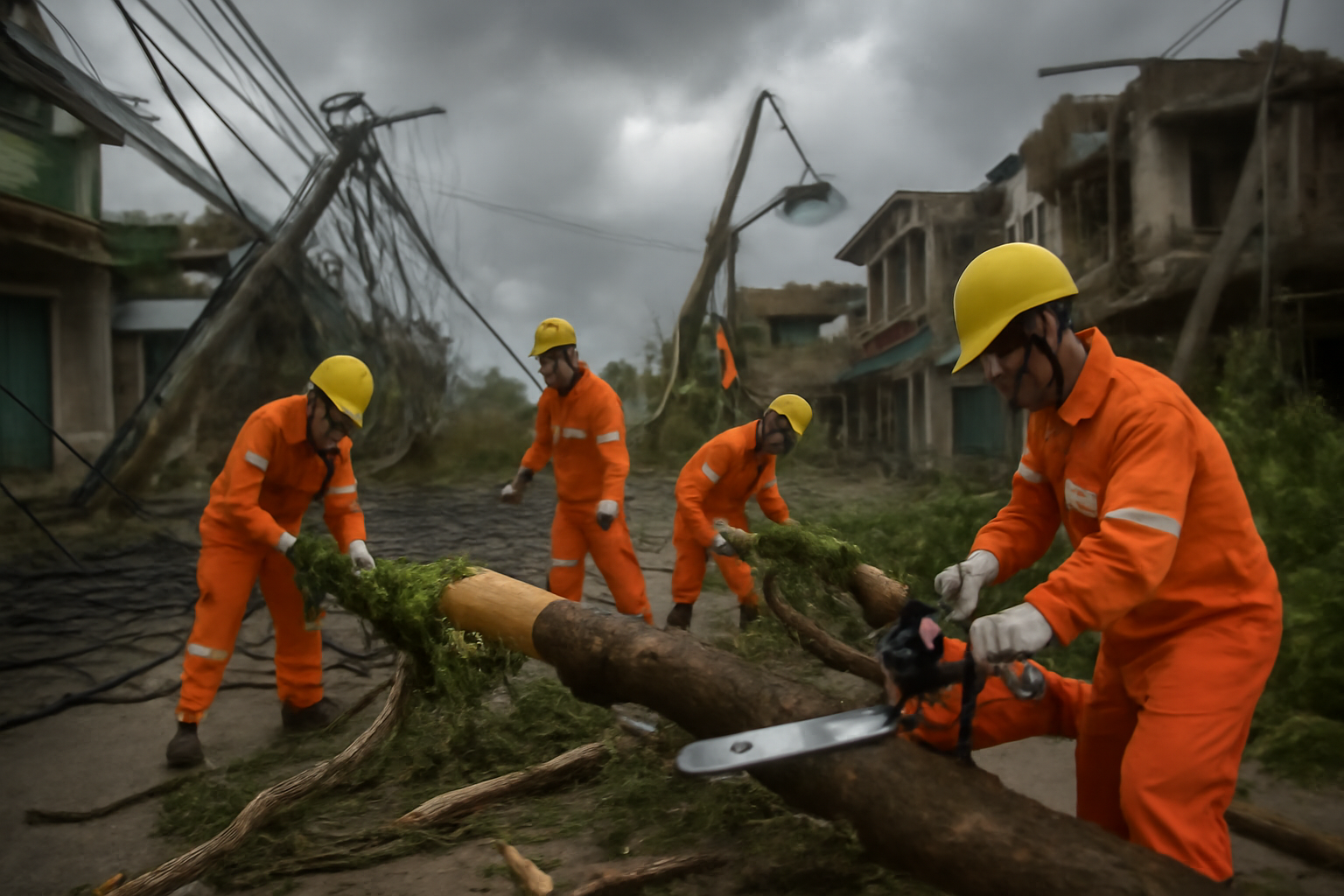
At least three people were reported killed and ten injured due to the storm, with one fatality resulting from an electrocution during rooftop repairs.
Kajiki damaged nearly 7,000 homes, inundated almost 29,000 hectares of rice fields, and felled over 18,000 trees.
The storm brought down 331 power poles, causing widespread blackouts in multiple provinces, including Thanh Hoa, Nghe An, Ha Tinh, Thai Nguyen, and Phu Tho.
Hanoi, the capital, experienced severe flooding with submerged streets, while other regions dealt with landslides, blocked roads, and damage to infrastructure.
Ongoing Risks and Regional Effects

Typhoon Kajiki’s arrival disrupted daily life, agriculture, and critical infrastructure, and emergency operations continue as Vietnam copes with aftermath and ongoing risks from prolonged rains and potential landslides.


Comments
Post a Comment